
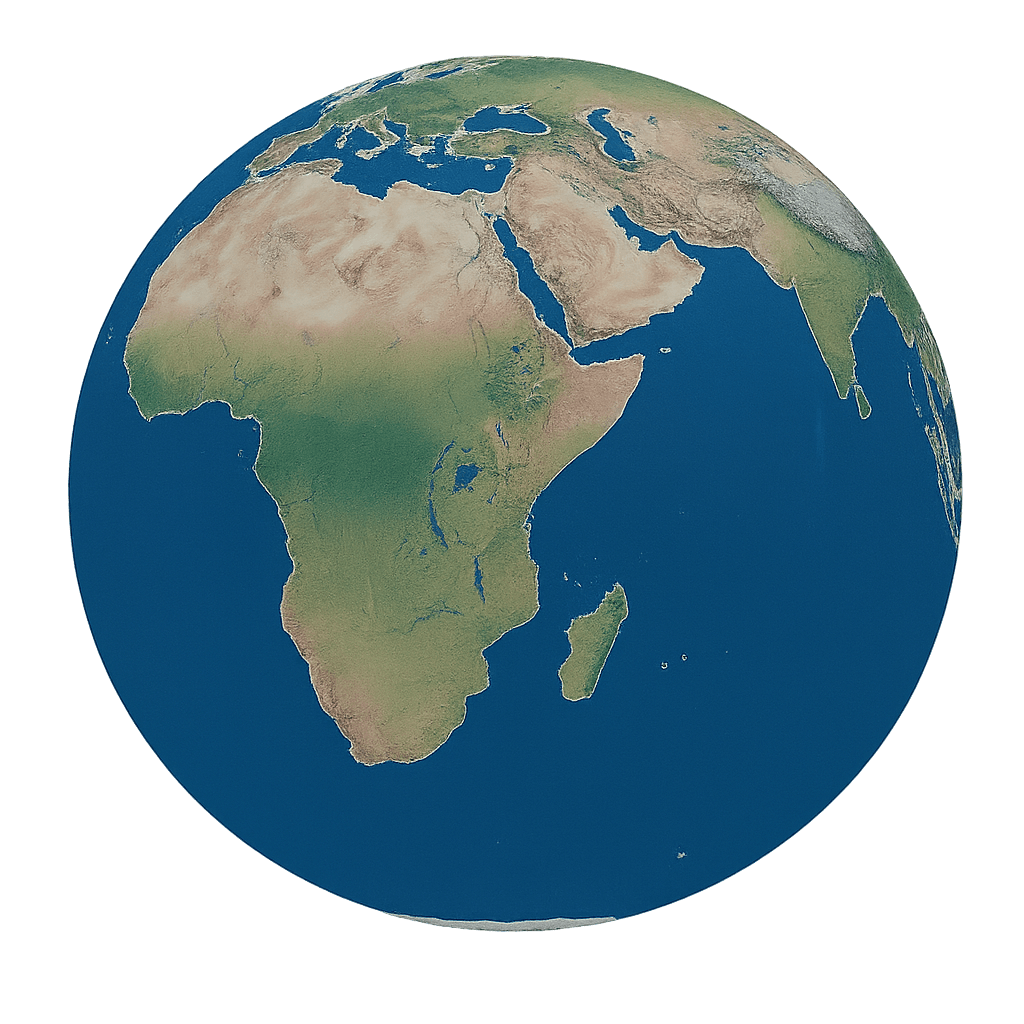
Malaria & climate risk: A new Nature study warns climate change will “move” malaria into cooler, high-altitude areas, with scientists flagging rising childhood malaria risk across East and southern Africa even where today’s hotspots may ease. Dengue at the Angola border: Researchers report dengue transmission along the DRC–Angola border and find a diverse Aedes mosquito virus mix, underscoring how cross-border gaps can let outbreaks spread unnoticed. Angola health infrastructure: Angola inaugurated the Julius Nyerere General Burn Hospital in Luanda, a $150m–$155m referral center with 252 beds and ICU capacity for adults, children and newborns, plus advanced burn and wound care. Public health capacity: Angola’s Ministry of Health distributed over 3,000 medical training books, supporting workforce development. Regional health governance: SADC is pushing a Simplified Trade Regime to cut border friction for small traders—an indirect win for disease surveillance and access to health-related goods. Blue economy with health links: The Luanda Declaration strengthens Africa’s blue economy push, tying conservation to food security and climate resilience.
AGP Executive Report
Your go-to archive of top headlines, summarized for quick and easy reading.
Note: AI summary from news headlines; neutral sources weighted more to help reduce bias in the result. Feedback is welcome. Please let us know if you have any comments or suggestions about the AGP Executive Report.
Angola Health System Upgrade: Angola inaugurated the Julius Nyerere General Burn Hospital in Luanda, a $150m–$155m modern referral facility with 252 beds (including 66 critical care beds) focused on burns, complex wounds, reconstructive surgery, diagnostics and rehabilitation. Disease Watch at the Border: Researchers reported dengue transmission evidence along the Congo–Angola border, with diverse Aedes mosquito virus findings raising the stakes for surveillance in cross-border areas. Water Security for Health: A new Africa-wide groundwater mapping effort aims to guide safe pumping as droughts and heavy rains disrupt drinking-water supplies, targeting the continent’s large access gap. Regional Trade & Health Access: SADC is pushing a Simplified Trade Regime to cut border delays and non-tariff barriers for small traders—an indirect boost for medicines and health supplies moving across borders. Public Health Capacity Building: BioMaP-Consortium awarded Public Health Vaccines a contract to tech-transfer production and testing of its monovalent VSV Marburg (Angola) vaccine candidate to the US to strengthen live viral vaccine manufacturing readiness. Health Risks From Climate: Studies highlighted how warming is already reshaping malaria risk maps across Africa, signaling the need to update prevention plans. Community Safety Incident: Two Kanwariyas were swept away in Anugola’s Lingara canal while collecting ritual water; one was rescued and taken to hospital, while another remains missing.
New Hospital for Burns and Complex Wounds: Angola has inaugurated the Julius Nyerere General Burn Hospital in Luanda, a $150m–$155m referral facility with 252 inpatient beds (including 66 critical care beds) and services spanning burn care, plastic/reconstructive surgery, advanced diagnostics, and rehabilitation. Regional Trade and Health Access Link: SADC is pushing to simplify border procedures under its Simplified Trade Regime, aiming to cut costs and remove non-tariff barriers for small-scale traders—an indirect boost for medicines and supplies moving across borders. Blue Economy Governance: The Luanda Declaration was adopted to strengthen governance and accountability for Africa’s blue economy, with emphasis on tackling illegal fishing and expanding roles for women, youth, and local communities—key for food security and coastal health. Public Health Capacity Building: Public Health Vaccines (PHV) secured a contract to tech transfer production and testing of its monovalent VSV ΔG Marburg Angola vaccine candidate (PHV01) to the US, supporting live viral vaccine manufacturing capacity. Road Safety and Care Continuity: Angola’s health system is also in the spotlight after recent Cuanza Sul road crash reporting, with authorities coordinating victim identification and transfers to major facilities.
Health Infrastructure in Angola: Angola officially inaugurated the Julius Nyerere General Burn Hospital in Luanda, a modern referral facility focused on high-complexity burn care and complex wound treatment, with 252 inpatient beds including 66 critical care beds, plus plastic/reconstructive surgery, advanced diagnostics and rehabilitation; officials say the $150m–$155m investment aims to boost healthcare self-reliance. Public Health & Vaccines: Public Health Vaccines (PHV) won a BioMaP-Consortium contract to tech-transfer production and testing of its monovalent VSV ΔG Marburg (Angola) vaccine candidate (PHV01) to the US to strengthen live viral vaccine manufacturing capacity. Regional Disease Response: Africa CDC warned that the Ebola outbreak in DR Congo needs enhanced international support, citing rapid expansion to 51 affected health zones and major gaps in contact tracing capacity. Road Safety & Care: Angola’s Cuanza Sul bus crash update says no Namibian national has been confirmed killed or injured so far, while victims are being identified and bodies transported for mortuary processing. Health Systems & Training: Angola’s Ministry of Health distributed over 3,000 medical training books to support healthcare workforce capacity.

New Burn Hospital Opens in Luanda: Angola has inaugurated the Julius Nyerere General Burn Hospital, a modern national referral centre with 252 inpatient beds (including 66 critical care beds) and a focus on high-complexity burn care, complex wounds, reconstructive surgery, advanced diagnostics and rehabilitation—built with an estimated $150m–$155m investment. Health Workforce Boost: Angola’s Ministry of Health has distributed over 3,000 technical and scientific medical training books to strengthen specialist training for 3,550 doctors enrolled in 39 specialty programs nationwide, aiming to improve patient safety and care quality. Polio Eradication Push: Angola is stepping up its strategy to eradicate polio, as part of broader public health efforts. Road Accident Identification Work: After a deadly Cuanza Sul bus crash, forensic teams in Benguela have started collecting DNA samples from victims and relatives to identify 22 fatalities, many charred and unrecognizable. Ebola Alert for the Region: Africa CDC says the DRC’s worsening Ebola outbreak needs enhanced international support, citing gaps in contact tracing and rising community cases and deaths. Power Access for Health: Siaya County is set to connect about 25,000 households to the national grid under a KSh 2.2bn rural electrification plan—expected to improve safety and access to care at night.
Health Infrastructure Boost: Angola inaugurated the Julius Nyerere General Burn Hospital in Luanda, a $150m–$155m national referral facility with 252 inpatient beds (including 66 critical care) and services spanning burn care, complex wound treatment, reconstructive surgery, diagnostics and rehabilitation. Medical Training Support: Angola’s Ministry of Health handed over 3,000+ technical and scientific books to strengthen specialist training for 3,550 doctors enrolled in 39 specialty programs nationwide. Public Health Emergency Response: Forensic teams in Benguela began collecting DNA samples to identify 22 victims of the Cuanza Sul bus crash, including charred remains and relatives’ blood and saliva, to speed up victim identification. Infectious Disease Watch: Africa CDC warned that the Ebola outbreak in DR Congo needs enhanced international support, citing expanding affected health zones and gaps in contact tracing capacity. Malaria Risk Update: A new study says climate change is “moving” malaria—slightly increasing risk overall so far, but shifting hotspots, with possible reductions in today’s hottest areas and rising risk in southern and East Africa.
Burn Care Boost: Angola officially inaugurated the Julius Nyerere Burn Hospital in Luanda, a $150–$155m modern referral centre with 252 inpatient beds (66 ICU) focused on high-complexity burns, complex wound care, reconstructive surgery, diagnostics and rehabilitation. Medical Training Push: The Ministry of Health handed over 3,000+ technical and scientific books to strengthen specialist training for 3,550 doctors in 39 programmes nationwide, aiming to improve care quality and patient safety. Disaster Response (Cuanza Sul): Forensic teams in Benguela began collecting DNA samples from 22 Cuanza-Sul accident victims and relatives to support identification after severe burns. Health Security (DR Congo): Africa CDC warned that the Ebola outbreak in the DRC needs stronger international support, citing expanding affected health zones and gaps in contact tracing. Malaria Outlook: A new study says climate change is already slightly increasing malaria overall, but could reduce risk in today’s hottest hotspots while raising it in southern and East Africa.
Julius Nyerere Burn Hospital Opens: Angola officially inaugurated the President Julius Nyerere General Burn Hospital in Luanda on Aug. 1, a $150m–$155m referral facility with 252 inpatient beds and 66 critical care beds, focused on high-complexity burn care, complex wound treatment, reconstructive surgery and rehabilitation. Cuanza Sul Accident Response: After the Quibaúla road crash near Sumbe left 22 dead and 12 injured, forensic teams in Benguela began collecting DNA samples to identify victims, while three severely injured patients were transferred to Luanda’s burn unit for specialized care; hospital officials say key patients remain stable. Health Training Boost: Angola’s Ministry of Health handed over 3,000+ technical and scientific medical books to strengthen specialist training, supporting 3,550 doctors enrolled in 39 specialty programs nationwide. Malaria and Climate Risk: A new study says climate change is “moving” malaria—slightly increasing risk overall so far, but shifting hotspots, with potential reductions in today’s hottest areas and rising risk in southern and East Africa. Ebola Pressure in DRC: Africa CDC urged stronger international support as the DRC’s Ebola outbreak expands, citing limited contact tracing and rising community cases and deaths. Church Debate: Angola’s Catholic faithful are debating an anonymous request to appoint a “white bishop” in the Mbanza-Kongo diocese, sparking wider questions about church-state dynamics and missionary roles.
Ebola Response: Africa CDC says DR Congo’s worsening Ebola outbreak needs stronger international solidarity as contact-tracing and follow-up fall below minimum benchmarks, with nearly 4,000 confirmed cases and 1,800 deaths reported. Road Safety & Burns Care: After a deadly Cuanza-Sul bus crash, forensic teams in Benguela began DNA sample collection to identify 22 victims, while several injured patients remain stable at Luanda’s Julius Nyerere Burn Hospital, including one with extensive burns needing intensive monitoring. Immunization: Angola is moving from recent polio campaigns into stronger routine immunization, using lessons from evaluations of 2026 efforts that vaccinated over nine million children under five. Health Workforce Training: The Ministry of Health distributed more than 3,000 medical training books to specialty programs nationwide to improve care quality and patient safety. Malaria & Climate: A new study finds climate change is slightly increasing malaria overall but shifting risk—raising threats in southern and East Africa, including projected increases for Angola. Public Health Preparedness: Angola’s strategy to eradicate polio is being reinforced through post-campaign evaluation workshops with WHO and partners.
Vaccine & Health Security: Public Health Vaccines (PHV) says it has won a BioMaP-Consortium contract to tech transfer production and testing of its monovalent VSV ΔG Marburg (PHV01) vaccine candidate to the US, aiming to expand live viral vaccine manufacturing capacity. Specialist Care in Angola: Angola’s Ministry of Health has distributed over 3,000 medical training books to strengthen specialized training for 3,550 doctors in 39 specialty programs, with the handover linked to the Julius Nyerere Burn Hospital push for local expertise. Immunization Drive: Angola reports progress toward polio eradication after national and cross-border campaigns vaccinated more than nine million children under five, with a post-campaign evaluation workshop focused on improving future campaigns and routine immunization. Malaria Watch: New research says climate change is redrawing malaria risk across Africa—slightly increasing overall risk but shifting it, with higher risk projected for southern and East Africa including Angola. Road Safety & Burns Care: Forensic teams in Benguela began collecting DNA samples to identify victims of the Cuanza-Sul bus accident, while Luanda’s Julius Nyerere Burn Hospital says transferred burn patients remain clinically stable. Health System Pressure: Omusati’s healthcare system is under strain, with reports of staff shortages, ageing equipment, ambulance gaps, and limited diagnostics affecting access and emergency response.
Road Safety & Emergency Care: Angola’s National Road 100 tragedy in Cuanza-Sul has claimed 22 lives after a bus collided with a fuel-carrying three-wheeler near Quibaúla; victims are being treated at Luanda’s President Julius Nyerere Burn Hospital, with some severe burn cases still in intensive care and others discharged as the death toll rises. Burn Care Capacity: Health Minister Sílvia Lutucuta says the new Julius Nyerere Burn Hospital is just the start, stressing the need to build specialized national teams and reduce reliance on medical evacuations abroad. Medical Training Boost: Angola’s Ministry of Health has distributed over 3,000 medical training books to strengthen specialty training for 3,550 doctors across 39 programs. Polio Eradication Effort: Angola is turning lessons from 2026 polio vaccination campaigns into stronger future immunization plans after a national post-campaign evaluation workshop with WHO and partners. Malaria & Climate Risk: A new study warns climate change will redraw malaria risk—slightly increasing overall burden but shifting it toward southern and East Africa, including projected rises in Angola—meaning Angola’s malaria control plans may need to adapt. Health System Strain (Omusati): MPs report Omusati’s healthcare system is under pressure from staff shortages, aging equipment, poor roads, and medicine gaps, with calls to upgrade key facilities to improve access. International Health Cooperation: Angola and the U.S. are also discussing defense cooperation, while the health sector highlights growing international partnerships tied to specialized training at the Julius Nyerere Burn Hospital.
Malaria Watch: A new Nature study says climate change is already slightly increasing malaria overall in sub-Saharan Africa, but it’s reshaping risk unevenly—cooler southern and East African areas (including parts of Angola) may see rising transmission, while today’s hottest hotspots could cool enough to reduce spread. Burn Care in Luanda: After a Cuanza-Sul crash near Quibaúla/EN100 involving a bus and a fuel tricycle, 22 people died and 12 were injured; four severe burn patients were moved to the President Julius Nyerere Burn Hospital, where one patient is in intensive care with extensive burns and others are stable. Immunization Push: Angola says it is turning lessons from recent polio vaccination campaigns—covering more than nine million children under five, including cross-border rounds with Namibia and DRC—into stronger future campaigns and routine immunization. Specialized Hospital Upgrade: Angola’s Health Minister says the Julius Nyerere Burn Hospital is just the start, with a focus on training specialized teams to reduce the need for medical evacuations abroad. Community Health & Access: Access Bank Angola was recognized in London for corporate social responsibility tied to support for public health facilities, health and financial education, and mangrove restoration benefiting over 185,000 people.
Road Safety & Burns Care: Angola’s National Road 100 crash near Quibaúla/Sumbe left 22 dead and at least 12 injured after a bus collided with a fuel-carrying tricycle and the fuel exploded. Severely hurt patients were transferred to Luanda for specialized burn treatment at the Julius Nyerere Hospital, while others were discharged or treated locally. Immunization & Polio Eradication: Angola’s Ministry of Health reviewed lessons from recent polio vaccination campaigns, including cross-border drives, to improve campaign quality, data use, logistics, and routine immunization so more children are reached. Malaria & Climate Risk: A new Nature study says climate change is “moving” malaria—reducing risk in some current hotspots where it gets too hot for mosquitoes, while raising risk in southern and East Africa, including projected increases in Angola. Health System Capacity: Angola’s Julius Nyerere Burn Hospital is framed as a start of a longer push to build specialized national teams and reduce the need for medical evacuations abroad. Policy & Governance: Angola’s broader health agenda also touches on hepatitis elimination and national health improvements, while regional health pressures are highlighted elsewhere in southern Africa.
Julius Nyerere Burn Hospital Opens in Luanda: Angola’s Health Minister Sílvia Lutucuta says the new Julius Nyerere Burn Hospital is “only the beginning,” stressing the next step is training specialized national teams to reduce costly medical evacuations abroad. Malaria Risk Shifts with Climate Change: A Nature study warns warming will expand malaria into cooler southern and eastern areas, with Angola flagged for rising risk, even as some hotter hotspots may see declines. Polio Eradication Push: Angola is turning lessons from 2026 polio campaigns—vaccinating over nine million under-fives—into stronger routine immunization and better campaign quality. Omusati Health System Under Strain: MPs report shortages of ambulances and non-functional diagnostic equipment, plus access barriers from poor roads, as demand rises. Road Tragedy in Cuanza Sul: A bus and fuel-carrying motorcycle crash killed 22 and injured 12, with serious cases transferred to Luanda’s specialized care. Blue Economy Governance: The Luanda Declaration boosts Africa’s blue economy agenda with stronger accountability and action against illegal fishing, linking conservation to jobs and food security.
Burn Care Boost: Angola inaugurated the Julius Nyerere General Burn Hospital in Kilamba, Luanda, a 252-bed tertiary facility with ICU capacity, aiming to expand specialized treatment and reduce the need for patients to seek care abroad. Regional Health Diplomacy: Tanzania’s President Samia Suluhu Hassan attended the opening, while both leaders reaffirmed plans to deepen cooperation in trade, investment and social development, with health investment highlighted as key to self-reliance. Road Safety Tragedy: A bus and fuel-carrying three-wheeler crash on National Road 100 in Cuanza Sul killed 22 and injured at least 12; severe-burn patients were evacuated to Luanda’s specialized burns services. Public Health Focus: Angola’s First Ladies and OAFLAD used a Luanda gala to back a “Building Resilience for Women and Girls” campaign, targeting health, education and prevention of gender-based violence. Disease Outlook: A new study warns climate change may shift malaria risk—raising childhood malaria risk in southern and East Africa while easing pressure in today’s hottest areas. Hepatitis Reminder: Angola’s Ministry of Health renewed attention on eliminating hepatitis by 2030, amid reports of high hepatitis B prevalence.
Burn Care Upgrade in Luanda: Angola inaugurated the Julius Nyerere General Burn Hospital in Kilamba, a 252-bed tertiary facility with an ICU and specialized services for severe burns, with Tanzania’s President Samia Suluhu Hassan attending the ribbon-cutting. Regional Health Self-Reliance: Samia urged African countries to cut reliance on overseas medical treatment by investing in modern specialized hospitals and services at home. Malaria Under Climate Pressure: A Nature study says climate change is “moving” childhood malaria—slightly increasing risk overall, with rising risk expected in southern and East Africa while today’s hotspots may cool enough to reduce mosquito survival. Ebola Response Strain in DRC: Africa CDC warned that operational constraints are hampering the fastest-growing Ebola outbreak in the Democratic Republic of the Congo, even as Uganda is praised for containing its outbreak. Maternal and Child Health Needs: In Luanda and Bié, women’s groups called for more healthcare capacity—maternal and child health centers, labs, ambulances, and better local health facilities—alongside broader social spending.
New Burn Hospital in Luanda: Angola inaugurated the Julius Nyerere General Burn Hospital in Kilamba, a 252-bed tertiary facility with ICU capacity, as Tanzania’s Samia Suluhu Hassan joined President João Lourenço for the opening—part of a wider push to strengthen specialised care at home. Health Self-Reliance Push: Samia urged African countries to cut reliance on overseas treatment by investing in modern hospitals and specialised services, while Angola and Tanzania also discussed broader cooperation across health and social development. Maternal Care Gains in Luanda: Luanda Province reported that four maternal care centers are helping reduce maternal mortality by improving timely referral and safer deliveries. Ebola Response Pressure in DRC: Africa CDC warned that operational constraints are hampering Ebola control in the Democratic Republic of the Congo, even as Uganda is praised for containing the outbreak. Malaria Risk Shifts with Climate: A Nature study says climate change is “moving” childhood malaria—raising risk in southern and East Africa while easing pressure in today’s hottest areas. US Visa Bond Rule (Angola Included): The US confirmed a permanent visa bond programme effective 3 August 2026, potentially requiring up to $20,000 refundable bonds for B1/B2 applicants from 50 countries, including Angola.
New Burn Hospital in Luanda: Angola has inaugurated the Julius Nyerere General Burn Hospital in Kilamba, a 252-bed referral facility with ICU capacity, designed to strengthen specialized care for severe burns and complex cases. Regional Health Cooperation: Tanzania’s President Samia Suluhu Hassan attended the opening and urged African countries to cut reliance on overseas treatment by investing in modern hospitals and specialized services. Maternal Health in Luanda: Luanda Province reports progress after setting up four maternal care centers, saying timely referral and safer deliveries are helping reduce maternal mortality. Malaria Risk Shifts: A new Nature study warns climate change is “moving” malaria—slightly increasing childhood malaria overall, with rising risk expected in southern and East Africa while some current hotspots may cool too much for mosquitoes. Ebola Response Pressure (DRC): Africa CDC says DRC’s Ebola outbreak is the fastest-growing on record and faces operational constraints, while Uganda is praised for containing its outbreak.
Burn Care Upgrade in Luanda: Angola has inaugurated the Julius Nyerere General Burn Hospital in Kilamba, a 252-bed referral facility with an ICU and services like operating theatres, labs, imaging, physiotherapy and rehabilitation—built to strengthen specialized treatment at home. Regional Health Diplomacy: Tanzania’s President Samia Suluhu Hassan attended the opening and thanked Angola for the Nyerere tribute, while also urging African countries to cut reliance on overseas medical care by investing in modern hospitals and specialist services. Maternal Health Progress: Luanda Province reports that four maternal care centers are helping reduce maternal mortality by improving timely referral and safer deliveries across key neighborhoods and facilities. Ebola Watch (DRC): Africa CDC warns that DRC’s Ebola response is facing mounting operational constraints, even as Uganda is praised for containing the outbreak; Africa CDC says it will push for faster detection and response to stop spread to new zones. Women’s Resilience Agenda: OAFLAD events in Angola spotlight “Building Resilience for Women and Girls,” linking health, education and protection from gender-based violence to broader social and economic empowerment.
Burn Care Upgrade in Luanda: President João Lourenço inaugurated the Julius Nyerere General Burn Hospital in Kilamba, a 252-bed tertiary facility with an ICU and specialized theatres, labs, imaging, physiotherapy and rehab—positioned to strengthen severe-burn and complex-case care alongside Neves Bendinha. Women’s Resilience Push: At OAFLAD’s Luanda gala, leaders backed the “Building Resilience for Women and Girls” campaign, linking health, education, gender-based violence prevention and economic empowerment. Maternal Health Gains: Luanda Province reported that four maternal care centers are improving timely referral and safer deliveries, helping reduce maternal mortality while vaccination and child-health challenges remain. Regional Health Security: Kenya and partners, including Angola, are developing a framework to jointly procure emergency medical supplies during outbreaks to cut costs and speed access. Ebola Watch (DRC): Africa CDC warned that operational constraints are hampering Ebola response in the DRC, even as Uganda’s containment is praised.
Sign up for:
Angola Health News
The daily local news briefing you can trust. Every day. Subscribe now.
Check Your Email!
We sent a one-time activation link to: .
Confirm it's you by clicking the email link.
If the email is not in your inbox, check spam or try again.
Welcome back!
is already signed up. Check your inbox for updates.