AGP Executive Report
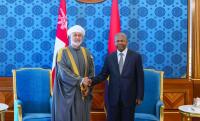
Last update: 7 hours agoMpox Watch: WHO reports 11 African countries with active mpox transmission (6 Jul–16 Aug 2026), with Angola among the hardest hit (184 cases) and figures possibly undercounted due to reporting delays and weaker surveillance. Patient Safety Focus: Angola’s health sector is pushing safer care after concerns about medication errors linked to misdiagnosis, wrong prescriptions and poor communication—highlighted ahead of World Patient Safety Day. Mental Health in the Spotlight: A community mental health walk in Steuben County (with local partners) is set to raise awareness, reduce stigma and connect residents to support services. Health System Capacity: Angola’s healthcare training and quality push continues through workshops on quality and patient safety, stressing safer diagnosis, patient involvement and wider screening. Regional Disease Control (Livestock): Tanzania, Angola and the DRC plan a cross-border push to stop PPR (“goat and sheep plague”) using stronger vaccination, surveillance and movement controls. Economic Health Link: Oman and Angola are expanding cooperation that includes pharmaceuticals and healthcare-related opportunities, alongside energy, mining and logistics.
Note: AI summary from news headlines; neutral sources weighted more to help reduce bias in the result. Feedback is welcome. Please let us know if you have any comments or suggestions about the AGP Executive Report.
 Perspectify News